| Last Update: October 10, 2010 |
| The Oregon Pacific Railroad is here to stay. Taking over two fledging branch lines from Southern Pacific and Union Pacific Railroads, the OPR has been able to successfully expand its business and have a very positive impact on the Portland Metro area. The ability to balance the local business need for efficient rail transport services, while allowing for the expansion of recreational and environmental preservation opportunities, make the Oregon Pacific Railroad a unique and appreciated part of the local community. It is the basis for the OPR motto of being "Oregon's Progressive shortline Railroad." The OPR plans to continue to operate for many years to come and is always looking for ways to succeed in an otherwise tough business environment and economy for our nation and our community. Balancing those business needs and risks while protecting and promoting railroad historical preservation and continuing to inspire the dreams of railroad enthusiasts is one of the OPR's strongest desires. The OPR’s proven dedication to the preservation of local railroad history and Mr. Samuels generosity to rail fans and local preservation groups will continue as an inspiration to the OPR legacy for as long as it is humanly possible to achieve the combination of those goals. The OPR and its crew and volunteers, look forward to many more years of reliable and dependable service to its customers and the community. |
Additional information and photos regarding the locomotives and equipment of the OPR can be found on the Locomotive & Equipment Roster of the OPR page. The East Portland Branch Page and Molalla Branch Page have more histories and photos. |
| The Oregon Pacific Railroad is a true family owned and operated railroad that operates two branches in the greater Portland Metro Area. It’s owned by Richard "Dick" Samuels and is entirely operated and run by members of the Samuels family, including Mr. Samuels three sons, Tim Samuels, Brian Samuels and Craig Samuels. The original East Portland Branch consists of the remaining trackage between the East Portland Yard and the Oregon Pacific shops at Milwaukie, Oregon. The trackage includes the remains of the Portland Traction Company Boring branch line and includes some of the most scenic railroad trackage in Portland, along the Willamette River. This line is primarily used to interchange freight rail traffic from the Milwaulkie Industrial Park to the Union Pacific at the OPR’s East Portland Yard. |
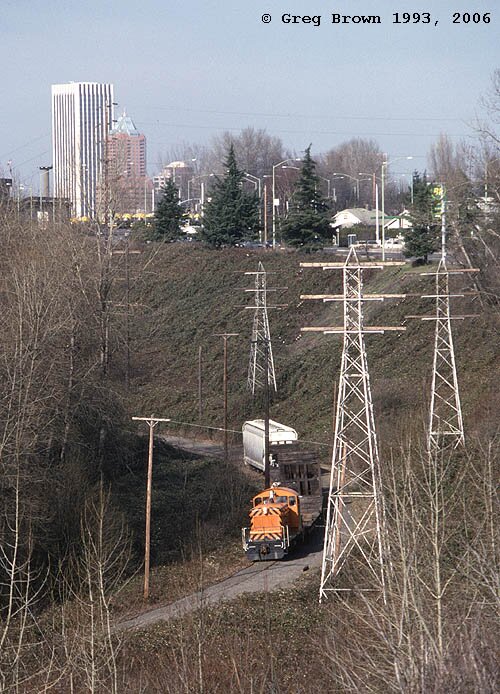
| The OPR No 100 with Mr. Samuels at the controls on the East Portland Branch in 1993 Craig Brown Photo |
| The second operation is known as the Molalla Branch, and currently operates about 7 miles of track between Canby and Liberal, Oregon. This branch line was originally constructed in 1912 by the Southern Pacific Railroad between Candy and Molalla. The branch line remained under SP ownership until taken over by Mr. Samuels in 1993. The two operations are separated by about 22 miles of Union Pacific track. However, the Oregon Pacific does not operate on the Union Pacific, instead interchanging with the UP at the East Portland Yard and at the interchange in Canby. When locomotives and equipment need to move between the two operations, they are dead headed on Union Pacific trains, just like regular freight, with smaller equipment being moved by truck. The Oregon Pacific typically maintains motive power and other equipment at each operation to minimize the need to move equipment between the two railroad branches. |
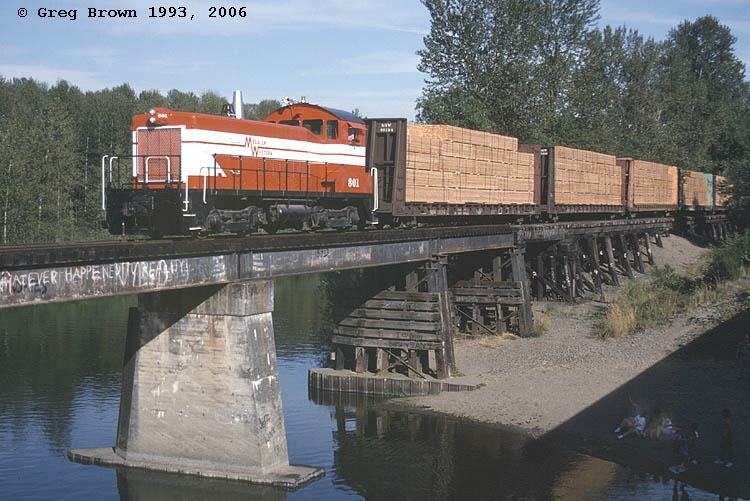
| The OPR No 801 with Mr. Samuels at the controls on the Molalla Branch in 1993, back when it was called the Molalla Western. Greg Brown Photo |
| The history of Mr. Samuels operation of the Oregon Pacific goes back to at least the 1950s, when Mr. Samuels, as a child, became very interested in trains and railroading. Having lived near Milwaukie, Mr. Samuels interest in railroading only grew over time. As a child, he was able to ride in the cab of locomotives on railroads that included the Southern Pacific Shasta Daylight, Valley & Siletz, and the SP Tillamook Branch. One of his first "engineer" runs was as a child, sitting next to a Southern Pacific engineer and operating a consist of three AS616s between Timber and Garibaldi on the SP Tillamook Branch. In later years, Mr. Samuels would make friends with the local railroaders near his house and would even operate a switch for a local railroad crew on this way to school. One day a railroad superintendent was riding with the crew, and was a little surprised to a see a young kid operating the switch, asking the question, when did the railroad issue bicycles? The crew jokingly made the comment that the kid was there to save money. The superintendent didn't ask anymore questions and Mr. Samuels continued to regularly operate the switch near his house for the railroad crew. Mr. Samuels involvement in railroading would continue into his teenage years, where he worked with construction crews who built part of what is now the Milwaukie Industrial Park. As a teenager he would spend a lot of time watching and occasionally helping the crew of the Portland Traction Company on the very railroad he would own and operate many years later. In 1960, Mr. Samuels became acquainted with Shady Dell, a live steam scale railroad out of Molalla. It was during this period that Mr. Samuels built a 1.5" scale model of the Portland Traction Company No. 100, never dreaming at the time that he would own and operate the real full size locomotive some 27 years later. This little scale engine has a Kohler gas engine, a DC generator, 4 traction motors and working air brakes all designed and built by Mr. Samuels. The engine is currently stored in a corner of his Milwaukie shop building. Mr. Samuels jokes that when the FRA comes to inspect his locomotives, he points them to inspect the little one first. It was at Shady Dell that Mr. Samuels met a man named Walter Beebe who became a great friend and mentor to him. Mr. Samuels would later name his No. 1202 locomotive after Mr. Beebe. |
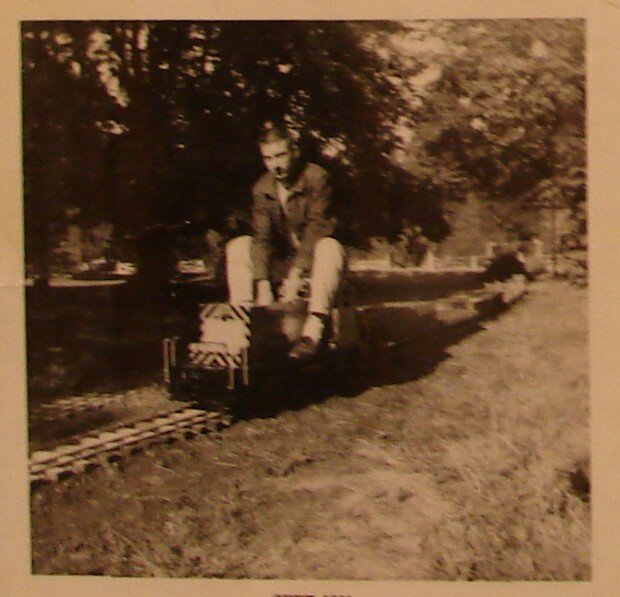
| Richard Samuels, age 17 in 1960 at the controls of an LP&N switcher in Longview |
| Richard Samuels at Shady Dell in 1961 on his 1-1/2 inch scale version of the PTC 100 in 1961. |
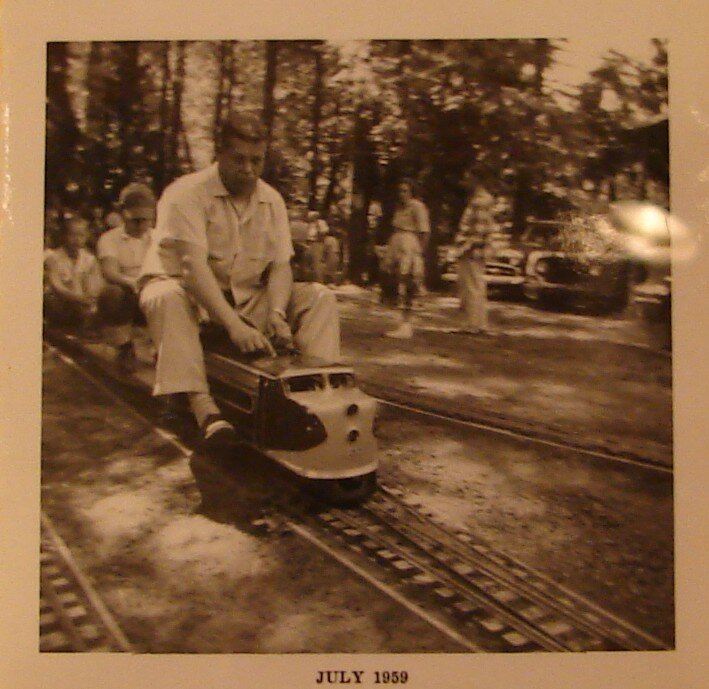
| Walter Beebe at Shady Dell in 1959. |
| It was Mr. Beebe that helped Mr. Samuels get one of his first real railroading jobs in the 1960s. While going to college, Mr. Samuels worked for the Northern Pacific Terminal Company as a fireman and engineer. As the railroaders took note of Mr. Samuels ability to operate the engines, he was often left to do the job and it was here that he gained much of his initial railroad and locomotive experience. After approximately 2 years, Mr. Samuels decided that he wanted to go into business for himself. Having become interested in locksmithing, Mr. Samuels opened up his first major business. When asked the obvious question, why not continue his railroad career and his obvious passion for railroads, the answer is simple. He didn't want to work for someone else. Mr. Samuels is a true entrepreneur and he knew from the beginning that whatever he did, he would be running his own business. There wasn't a lot of locksmiths around and business did fairly well. He even performing work for the local Police Departments. Mr. Samuels also became interested in the railroad salvage business, partly as a way to become involved in railroading once again. In approximately 1966, he was awarded a contract to remove the track at the Vancouver Barracks. As Mr. Samuels put it, he was the only one to bid on the contract and paid approximately $261 for the privilege of removing the track and lost about $261 in the job. But he says that he had a good time removing the track completely by himself using a boom truck, motor car and hand tools. In 1967, Mr. Samuels purchased property in Milwaukie to build his first steel fabrication shop, Samuels Steel Products. In the 1970s, Mr. Samuels bid on and was awarded the contract to remove the Burlington Northern (Oregon Electric) line between Hillsboro and Forest Grove. It was also during this time that Mr. Samuels purchased property at the Milwaukie Industrial park to expand his steel fab business. Mr. Samuels kept much of the trackage from the OE salvage job and would later incorporate that track and switches into his new steel fab shop and later into his railroad shops. |
| "Leroi" Mr. Samuels first full size locomotive. It was purchased from a scrap yard for $2000 and later refurbished. It was called Leroi because of the Leroi gas engine that powered it at one time. This historic locomotive, spent much of its life as a shop switcher for the Brooklyn Yard in Portland. |
| As Mr. Samuels steel business progressed, he decided that he wanted to purchase a locomotive. After all, while he did not yet own a railroad, he did have some spur track on this property for the steel fab business. The very first locomotive purchased by Mr. Samuels was a Davenport 20 tonner, which used to be the former shop switcher for the Brooklyn Yard. It was purchased for $2000 and wasn't in very good shape, but Mr. Samuels quickly went to work replacing the engine and restoring it. On occasion, the engine would find itself out on the PTC mainline with Mr. Samuels at the controls. |
| Some later examples of the products that were produced at Mr. Samuels steel shop in the 1980s. |
| In 1986, the PTC sent notices to its shippers that it intended to abandoned its Boring branch and were looking at options to continue service to the remaining customers at the Milwaukie Industrial Park. This would become the birth of the idea of Mr. Samuels owning and operating a railroad. In 1986, he wrote the parent companies of the PTC that he was interested in taking over the operations of the PTC. The PTC had received permission to abandoned the Boring line and was interested in selling the remaining trackage to Mr. Samuels. Mr. Samuels stipulated that he wanted the salvage rights to the Boring line in exchange for taking over the PTC, so that he could use some of the better track on the Boring branch in the future refurbishing of the line between Milwaukie and East Portland. The Portland Traction Company was only shipping about 127 carloads a year and was losing around $400,000 per year for the big railroads. The PTC, with the support of the City of Portland, began abandonment proceedings to abandoned the roughly 17 mile long PTC line from east of 17th Street in Milwaukie to Boring. The Boring branch of the PTC was the least economically feasible part of the PTC, as most of the customers on the line were located in or near the Milwaulkie industrial area, west of 17th Street. In addition, 3 expensive bridges were located on the line, including a bridge over McLoughlin Blvd, which stood in the way of a planned highway expansion. And finally, the City of Portland and Metro were interested in the Boring branch for a new rails to trail park. By approximately 1987, the Boring branch was officially abandoned and sold to Metro. Mr. Samuels was given the salvage contract to remove the bridges and salvage the track, ties and equipment along the line. In 1988, Mr. Samuels, changed the name of his parent company, Samuels Steel Products, to Hill Vista Investment Company under which he was awarded the contract to salvage the Boring branch of the PTC. In October, 1987, Mr. Samuels also formed his first railroad company, the East Portland Traction Company with the intention of using that company to eventually take over the Portland Traction Company railroad. Also formed was Samuels Pacific Industries. Samuel Pacific Industries was the non-railroad side of the company that performed work, including salvaging the Boring Branch, prior to the official railroad take over. Several of Mr. Samuel's original equipment, which was used in the Boring branch salvage project, including Engine 5100, Engine 45 and a boom crane are still lettered for Samuel Pacific Industries to this day. In the final years of the PTC, the two SW1s that they had used for decades, the No. 100 and 200 were sold off, with the 100 being sold to WATCO for use at a Wallua, Washington paper mill. The PTC was then using Southern Pacific SW1500 switchers. However, the SW1500s were too heavy an engine to be used on the Boring branch during the salvage operation so Mr. Samuels needed a smaller locomotive. Fortunately, the PTC 100, being a 600 h.p engine wasn't up to the task of replacing the 1200 h.p. engine used before it at the paper mill and WATCO was very interested in getting rid of it. Mr. Samuels purchased the locomotive in approximately 1987 and set about the task of relocating it back to the PTC. However, this presented several problems since the old 100 still had friction bearing trucks. The Union Pacific was not excited about pulling this engine over its track. The UP required that Mr. Samuels repack the journals, use a can of STP in each journal and ride in the cab of the locomotive on the entire trip between Hinkle and Portland, Oregon. The locomotive also had a 30 mph restriction, but was eventually made it back to Portland, with Mr. Samuels riding in the cab the whole way. Mr. Samuels slowly salvaged the 17 mile long Boring Branch between 1987 and 1990. Most of the rails were sold to Taiwan, while the ties were sold locally, but they were able to save about 2 miles of good rail and 8000 ties that were later incorporated into refurbishing the remainder of the East Portland Branch. |
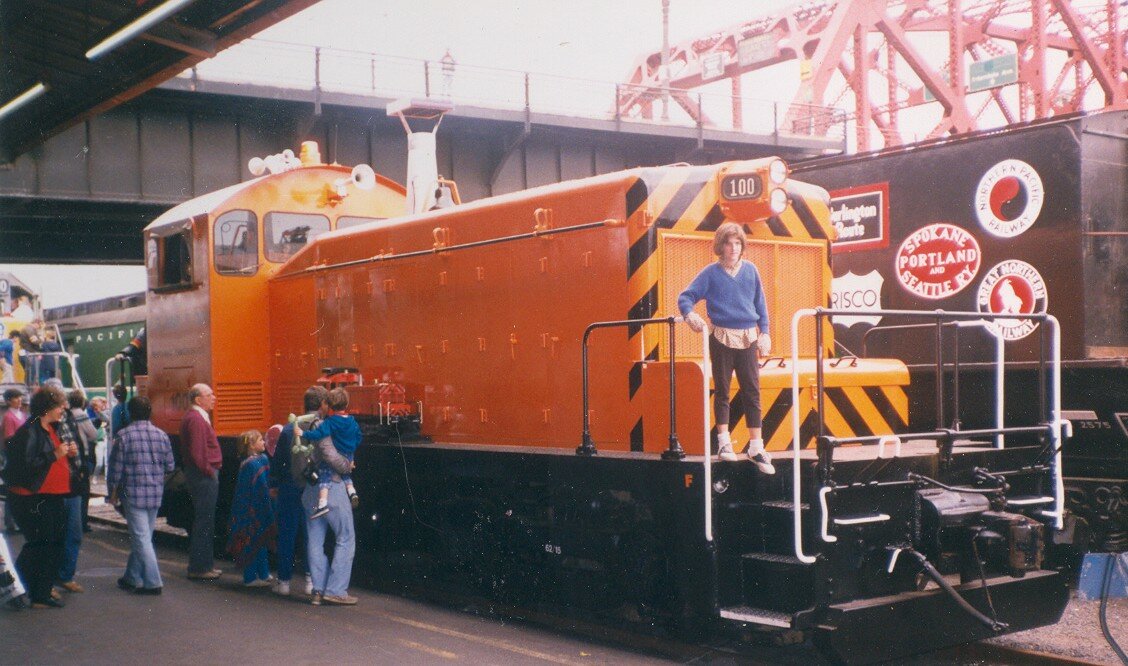
| Freshly painted and refurbished PTC 100 just after Mr. Samuels acquired it. Seen here at the 1988 Railfair at Union Station in Portland. |
| Mr. Samuels next locomotive would be a GE 70 tonner, No. 5100. This engine, along with her sister, the 5104 was used by Weyerhauser out of Springfield, Oregon until 1986. Mr. Samuels purchased both in 1989. The 5100 was operational, but the 5104 was in extremely poor condition. Mr. Samuels intended to turn the 5104 into a slug to run behind the light 5100 engine, but when he later purchased two former Pacific Lumber Company 80 tonners from California, he decided to put the 5104 trucks under the 102 and long term lease that locomotive to the Columbia Business Center in Vancouver. In 1988, the Pacific Railroad Preservation Association was preparing to remove the SP&S 700 out of Oaks Park in preparation for its restoration. The PTC was worried that its heavy SW1500s might not be able pull out the 700 without problems on the light spur track and called upon Mr. Samuels use his newly acquired, painted and reconditioned ex-PTC 100 to do the job. This job would be one of the more famous tasks given to Mr. Samuels and the 100 and was quite fitting, since it was the very the same diesel engine that placed the SP&S 700 into Oaks Park, some 30 years earlier. |
| Mr. Samuels newly acquired 5100 was put to use in scrapping the Boring branch. Note the "Samuels Pacific Industries" lettering. |
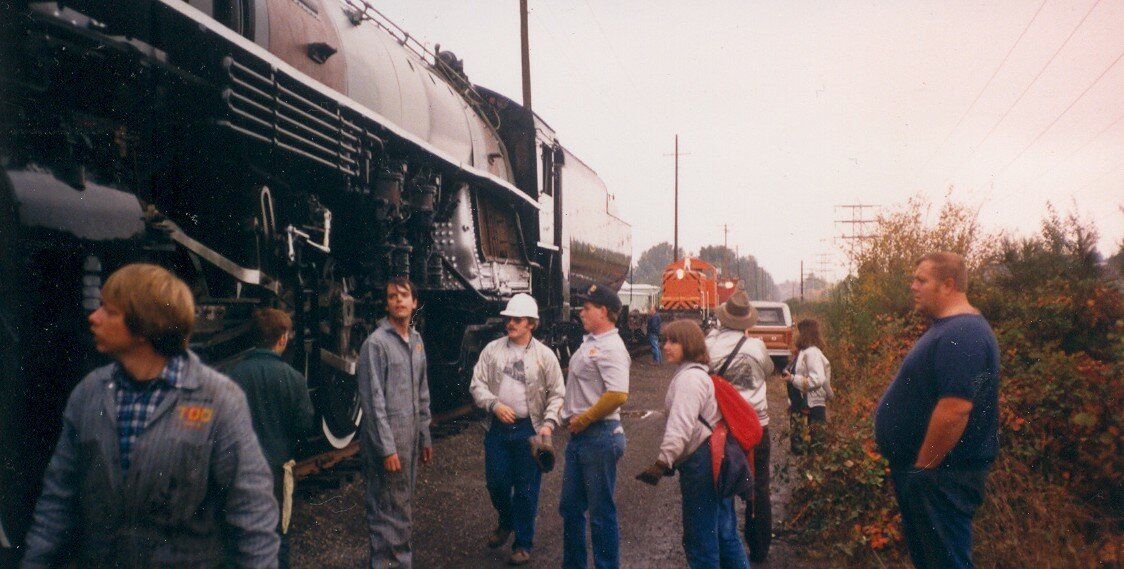
| The 700 at Oaks Park during the removal process in preparation for its restoration. Mr. Samuels and the PTC 100 were responsible for pulling it out. |
| Mr. Samuels made an offer to purchase the PTC line in 1987, but it took approximately 4 years for the Southern Pacific and Union Pacific to agree to terms to sell. Mr. Samuels negotiated to purchase the remaining 5 miles of track between Milwaukie and East Portland. The price included the property, the track, a bobcat front end loader and one old dump truck. But not much else. Not even cars, cabooses or locomotives. Fortunately, the former PTC 100 was in good shape and ready to go. On April 1, 1991, Mr. Samuels and his East Portland Traction Company officially took over what was left of the branch line and a new railroad had officially began operation. Customers on the line were extremely happy with Mr. Samuels attentive customer service skills and his clear pursuit to build a customer oriented railroad. Setting an entirely different tone from the prior owners, Mr. Samuels contacted each customer, gave them his personal phone numbers and told them that he was willing to ship anytime. A significant reason for the future success of the railroad would be this legendary customer service. In 1992, Mr. Samuels began a major upgrade of the East Portland Branch, using approximately 1.5 miles of 100lb rail that came off of the Boring line and replacing 70lb rail on the East Portland Branch. Today, the East Portland Branch now consists of 90-100lb and heavier rail. Significant upgrades have since been done to the East Portland Branch since the heavy steam engines SP&S 700 and SP 4449 have been running on the line at least one to two times per year. Also city of Portland construction projects and the construction of a nearby bike trail have allowed much of the line to be rebuilt and brand new crossings installed at most intersections. Most of the line is currently officially FRA track class 1 certified. An upgrade from exempt status, but in many aspects approaches class 2 conditions, thanks to upgraded ties and tamping and realignment projects. |
| In early 1992, Mr. Samuels purchased a 25 ton locomotive at the Portland Docks Auction for $2500. Mr. Samuels had no need for such a small locomotive, but couldn't pass up on such a good deal. It was then that the idea came up about running a passenger excursion on the line. In approximately 1992, Mr. Samuels began what would be known as SamTrak. Its first event was Oktoberfest, 1992 and the SamTrak trains were used to haul passengers from Oaks Park Station to an overflow parking lot in Milwaukie. The inaugural run involved the No. 2501, a 25 ton GE locomotive and one open air car that was built out of the frame of tank car. Eventually, a former Simpson Timber Co. logging Caboose, No. 900, would be converted and used in the operation as well. Regular seasonal passenger service on the East Portland line, via SamTrak, began in 1993. By approximately 1994, Mr. Samuels needed a larger locomotive for the Samtrak operation with more power due to adding the caboose. A GE 45 tonner, the 4501, was purchased from the Chelatchie Prairie Railroad and Mr. Samuels set about to convert it for remote radio control operation. This would turn out to be the first remote controlled locomotive operated on a common carrier in the Northwest and is likely the only 45 tonner to have remote control. Mr. Samuels built the remote control mechanism entirely himself. SamTrak ceased operating in September 2001 for a number of reasons, including a lack of passenger traffic, an increase in freight traffic, which made it difficult to also operate the passenger line and increased insurance costs after 9-11. Mr Samuels has not abandoned the idea of passenger excursions and numerous passenger excursions are run on the railroad including special steam engine excursions and charter specials with the OPR diesels and passenger equipment. |
| Mr. Samuels at the controls of the PTC 100 near East Portland in the early days of the EPTC. Craig Brown photo |
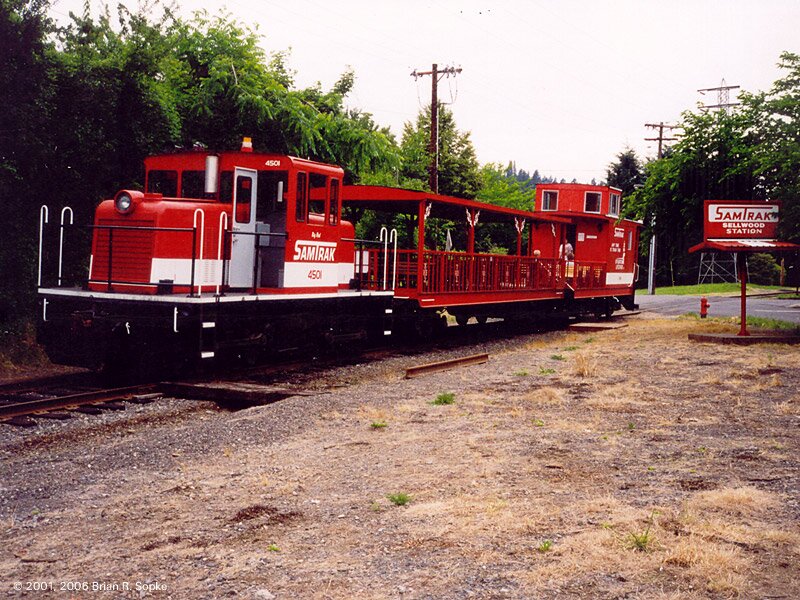
| SamTrak in its final years around 2001. This photo showing the 4501, open air car and 900 caboose at Sellwood station. Brian Sopke photo |
| Also in 1993, Mr. Samuels took over an entirely different railroad, when he acquired the Molalla Branch from the Southern Pacific and began his second operation. The operation would initially be called the Molalla Western Railroad, reporting marks MWRL. STB exception was granted in February, 1993. Mr. Samuels didn't intend to operate the line for very long as the number of shippers was minimal. His intentions were to operate it for as long as it was sustainable, then possibly scrap the line. However, the line has since proven be very successful and ships quite a few cars, with more expansion and shippers planned for the future. Mr. Samuels purchased an SW8, the 801 to use on the line, but it wasn't ready for service when the Southern Pacific called Mr. Samuels and said that they wanted him to start operating the line two days later. With no locomotive, the SP allowed Mr. Samuels to use their Oregon City SW1500 switcher during the first months of the operation. Soon the PTC 100 was transferred to the Molalla Branch where it served for approximately 6 month as the newly acquired 801 was being repaired and painted. This was the only time that the 100 has served on the Molalla Branch. Soon, the 801 was permanently assigned to the Molalla Branch. |
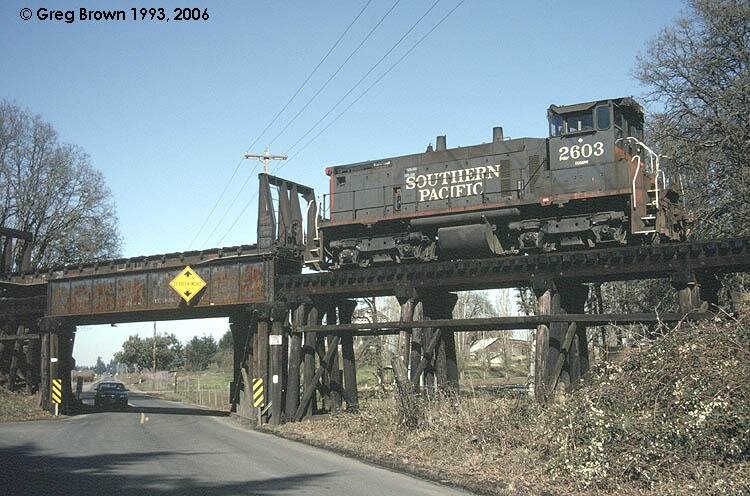
| This photo shows the crew operating the Southern Pacific Oregon City switcher an SW1500, during its first few months of operation on what was then called the Molalla Western. Greg Brown photo |
| The PTC 100 was brought out to the Molalla Branch and would be the first of Mr. Samuels locomotives to operate there. After about 6 months, the 801 was ready to be transferred there and the 100 came back to East Portland. Greg Brown photo |


| The Molalla Western 801 in fresh paint in 1993. The 801 still serves on the OPR Molalla Branch today, but is lettered for the Oregon Pacific Railroad. Photo by John Bauer, Rob Jacox collection, |
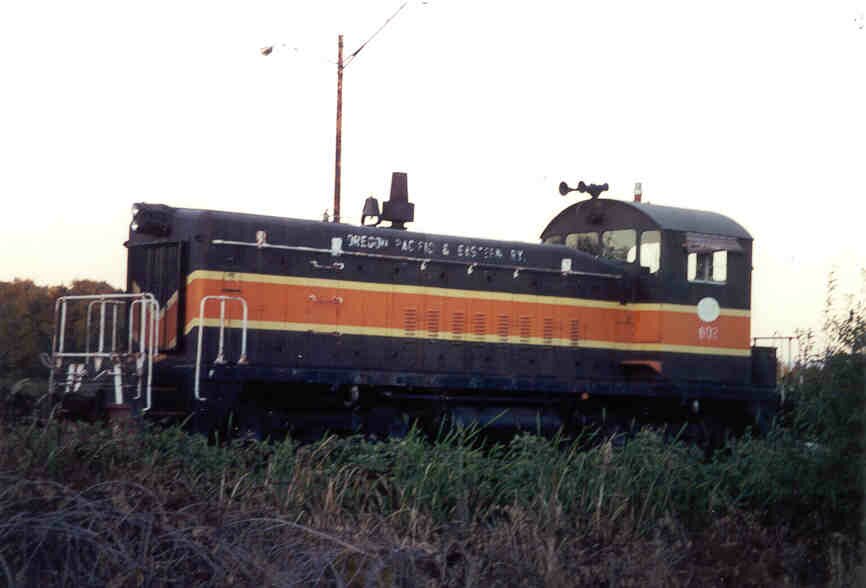
| In 1994, the Oregon Pacific & Eastern Railroad in Cottage Grove had shut down and was selling off its equipment. Mr. Samuels purchased the OP&E No. 602, which was an SW8 and operated it on the Molalla Branch for short a period of time. That year, he also purchased a very rare NW5, the No. 187, from Pete Replinger. This is one of only three NW5s known to exist. |
| The OP&E 602 on the Molalla Branch in the 1990s Photo by Matt Wolford |
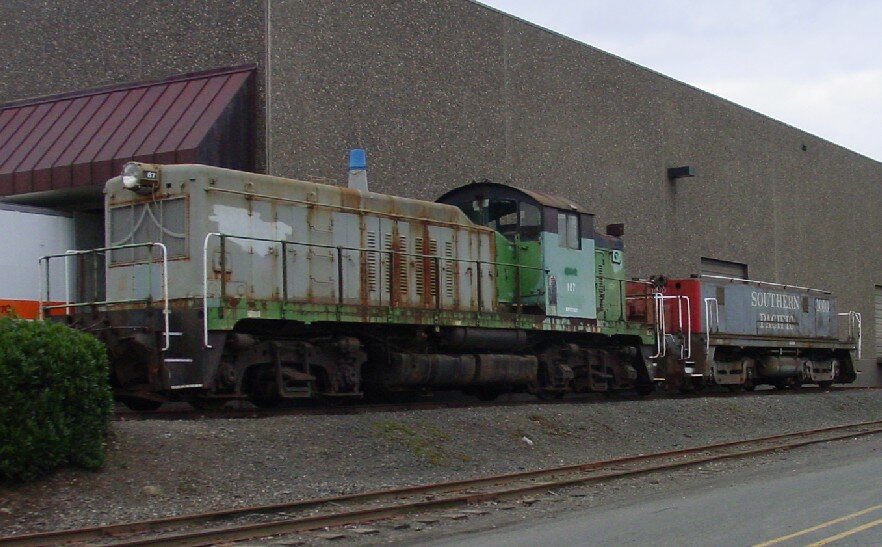
| The NW5, No. 187 near the Milwaulkie Shops |
| The next couple of years, proved to be challenging for the Molalla Branch operation. In 1995, it appeared that arsonists may have set fire to the huge Molalla River trestle, which burned about 55 feet of the wood trestle. But in about 9 days, Mr. Samuels was able to finish rebuilding the trestle with new steel sections. That same year, an SW8, the 803, was purchased and placed in service along with the 801 on the Molalla Branch. 1995 was also the year that Mr. Samuels purchased his first hi-rail truck, which was a Ford 800. In 1996, floods washed out about 75 feet of track, which was replaced including new culverts to avoid washouts in the event of any future floods. During this period, Mr. Samuels was able to purchase about 5 miles of 100lb rail that was pulled up on the railroad out of Aberdeen, Washington and started to use that to upgrade much of the Molalla Branch, which was mostly 75lb rail. Today, about 3 miles of upgrade has been completed so far, along with about 4000 ties and 10,000 tons of new ballast. Prior to 1996, Mr. Samuels operated his business entirely out of a loaned caboose located on his property. There were no significant railroad facilities or shops, so in 1996, the current OPR shop buildings were constructed on the property. An office was included in the construction but the caboose would actually remain the business office of the OPR until the new office was finished in 2003. 1997 is a significant milestone year for the railroad. Not only did the railroad reach its tenth anniversary, but in February 1997, the Oregon Pacific Railroad was formed by Mr. Samuels. The new company would officially run all of the railroad operations, with the East Portland Traction Company and Molalla Western names falling to the wayside and the Oregon Pacific Railroad name encompassing all operations. In the late 1990s, the 801 started to wear out and Mr. Samuels began looking for a replacement after being told the 801 was not rebuildable. He purchased a GP7, the 1810, which starred in the movie "Under Siege II" with Steven Segal. As it turned out, the 801 was rebuildable and Jerry Vanlue, the OPR's contract heavy diesel mechanic, was able to fix the 801. The OPR crew prefer the switch style engines due to the better visibility and consequently, the 1810 was rarely used. For much of its life, the East Portland Line was double track from the East Portland Yard to the Milwaukie Industrial Park. In the 1960s, the eastern line was removed and the Oregon Pacific Railroad operated the western single track. By the late 1990s, Metro and the Oregon Pacific negotiated a deal, where Metro would be allowed to expand its Springwater trail on part of the Oregon Pacific right of way in exchange for Metro covering a significant portion of the cost of redoing and upgrading part of the East Portland line. This occurred in 1999 and 2000 as the East Portland line was relocated to the eastern right of way and upgraded. The western right of way was rebuilt as a paved trail and opened to the public in 2003. The reason for the switch of right of ways is because the western right of way is closer to the scenic Willamette river and it was easier to fence off the eastern right of way to protect the public from the moving trains. The Oregon Pacific Railroad and Springwater Trail have co-existed ever since with few major issues. In 1998 and 1999, the SP&S 700 steam engine was invited to Oregon Pacific’s East Portland Yard for OMSI’s “Holiday Junction” event. The 700 stayed parked at the East Portland Yard for about a week on display and giving cab tours. In 2003, the Oregon Pacific Railroad decided to salvage the already discontinued last 3.3 miles of its Molalla Branch from Liberal to Molalla. The track was salvaged and the crossings removed for safety reasons. That section is now "rail banked" and could be reinstated if rail traffic justified rebuilding it. But for now, the Molalla Branch ends about 1/2 mile south of RSG Forest Products in Liberal. That same year, the OPR purchased a reconditioned Jackson 6700 tamper with laser and computer curve liner. In 2007, this high tech piece of equipment was upgraded and has done significant upgrade work to the East Portland Branch. In June, 2003, the Oregon Pacific Railroad hosted the SP&S 700 and SP 4449 in an ORHF sponsored event to give steam train rides in celebration of the grand opening of the Springwater rails to trail next to the Oregon Pacific East Portland line. In 2004, the OPR purchased another SW8, the 802. This locomotive formerly served with the Lewis & Clark railroad. The 802 is one of the few locomotives to see regular service on both branches of the OPR and is also equipped with dynamic brakes. Because it now has roller bearing trucks, courtesy of a slug that Mr. Samuels purchased several years earlier, it can be transported over the UP between the two branches. Plans are to eventually paint it into historic Southern Pacific colors. In the fall/winter 2005, the last “street” trackage of the Oregon Pacific Railroad and former PTC was removed and rebuilt into a conventional, grade/tie/ballast railroad to accommodate several local city construction projects. This section was located just south of the East Portland Yard, near Water and 4th Avenues. That same year, the OPR acquired one of its most modern and powerful switcher locomotives ever, an EMD 1200RS with flexicoil trucks. This former Canadian Pacific road switcher was completely rebuilt from the ground up in 1980 and was in excellent condition. Numbered the 1202 it now sees regular service as the primary locomotive for the East Portland Branch. |
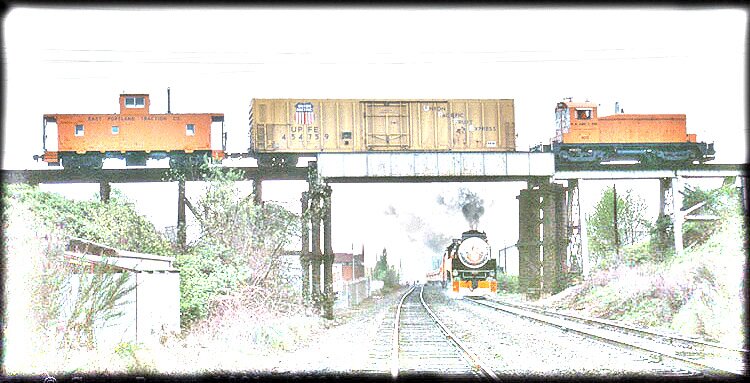
| In 2005, the Oregon Pacific Railroad hosted the 1st annual Oregon Rail Heritage Foundation Holiday Express. Again, the SP&S 700 and SP 4449 returned to the East Portland line and gave passenger rides over two separate weekends. Then, in the Summer of 2006, the SP&S 700 once again returned to the Oregon Pacific for the 50th Anniversary of the End of Steam Excursion. Later that year, both the 700 and 4449 were featured for three steamed filled weekends at the 2nd Holiday Express. In June 2007, the SP&S 700 returned to the OPR for a weekend of steam. In December 2007, the 3rd annual Holiday Express was again held on the OPR and the 700 again returned to the OPR in the summer of 2008. It appears that steam events with the two heavy steam locomotives will be a regular event on the OPR. Mr. Samuels and the OPR have invested a significant amount of time and money to upgrade certain parts of the East Portland branch to accommodate the extremely heavy and long wheel base steam locomotives so they can safely run on a railroad that was originally never intended for locomotives of that size. |
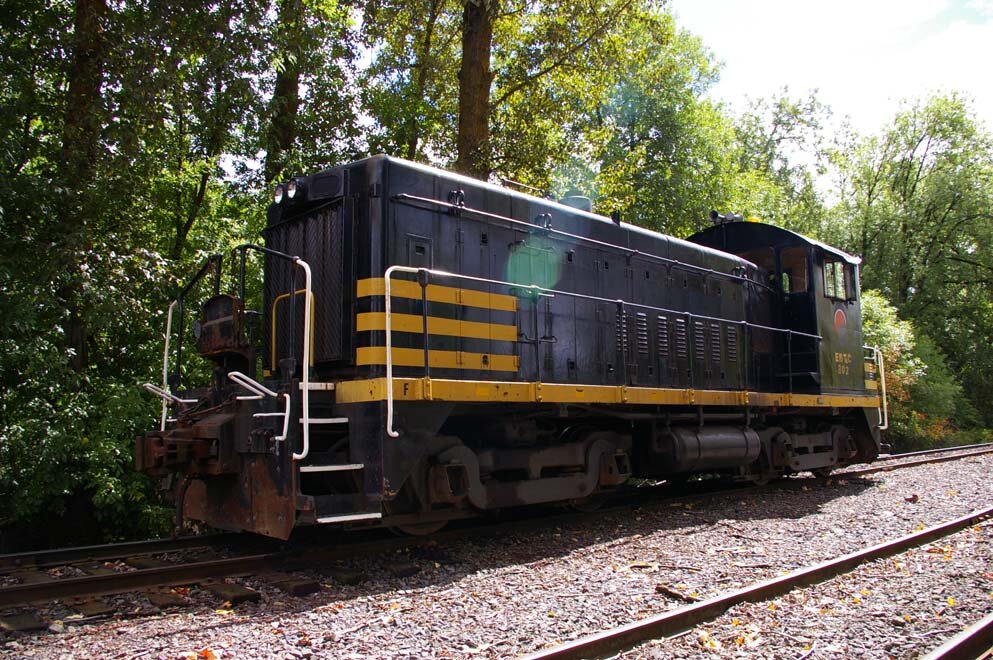

| The OPR 802 on the Molalla Branch in 2007 |
| The OPR 1202 on the East Portland Branch in 2006 |
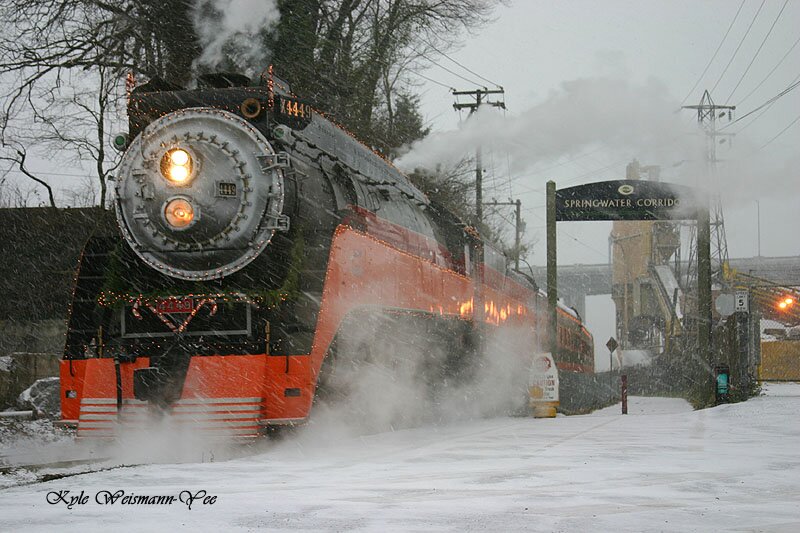
| Holiday Express 2005 Kyle Weismann-Lee Photo |
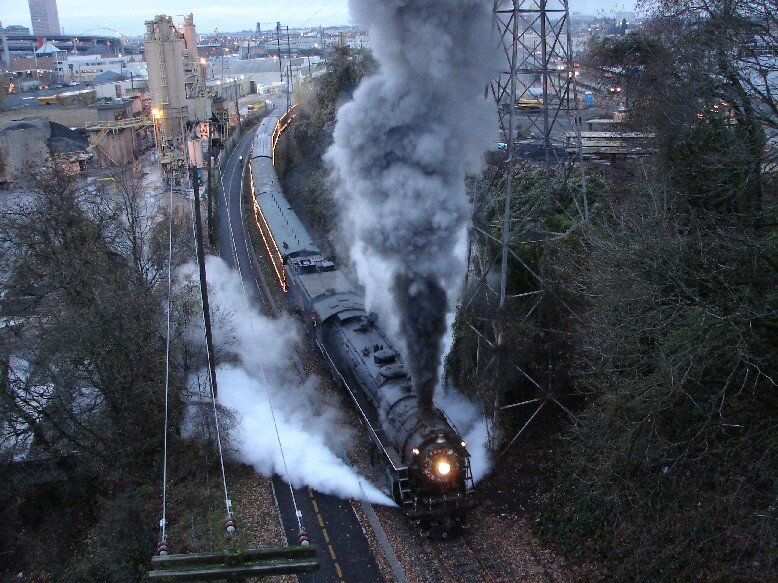
| Holiday Express 2006 |
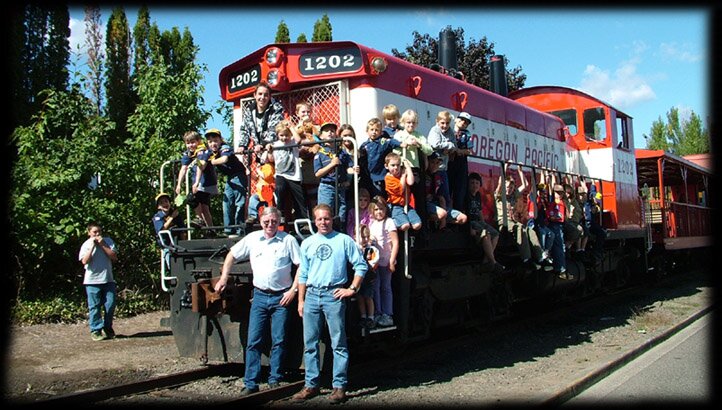
| Mr. Samuels and Milwualkie Cub Scout Pack 593 on the Oregon Pacific Railroad. Terri Krueger photo. |
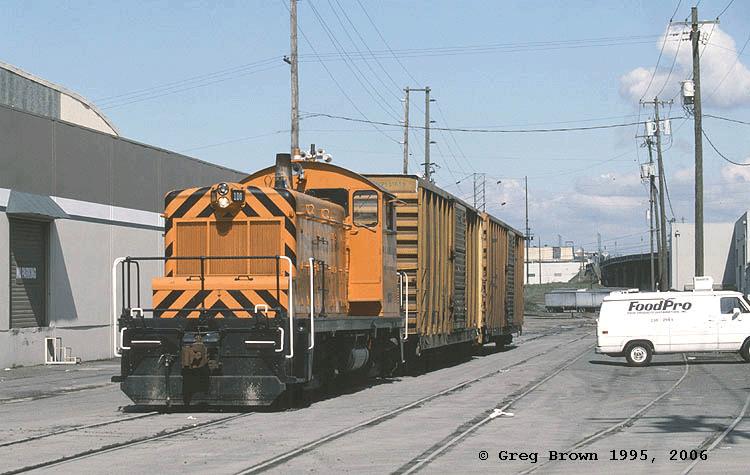
| Around 2007, Mr. Samuels and the Oregon Pacific Railroad had announced plans to explore the possibility of building a railroad museum near Oaks Park on an 11 acre site originally designated to be a railroad museum by the City of Portland nearly 50 years ago. Those plans were later dropped due to lack of cooperation from the City of Portland and Metro. While the OPR had hoped to build a museum to display its equipment, it was decided that it could better serve the interests of operating its freight railroad for its customers, while retaining its history for the enjoyment of railfans by concentrating on its core operations, while still occasionally hosting public events, including steam train rides and public and private diesel passenger train rides and shop tours. In the summer of 2008, American Steel relocated its manufacturing facility to near Canby, Oregon and is now shipping and receiving numerous car loads over the OPR Molalla Branch. A new spur was recently constructed to this facility and business on the OPR's Molalla Branch has increased. |
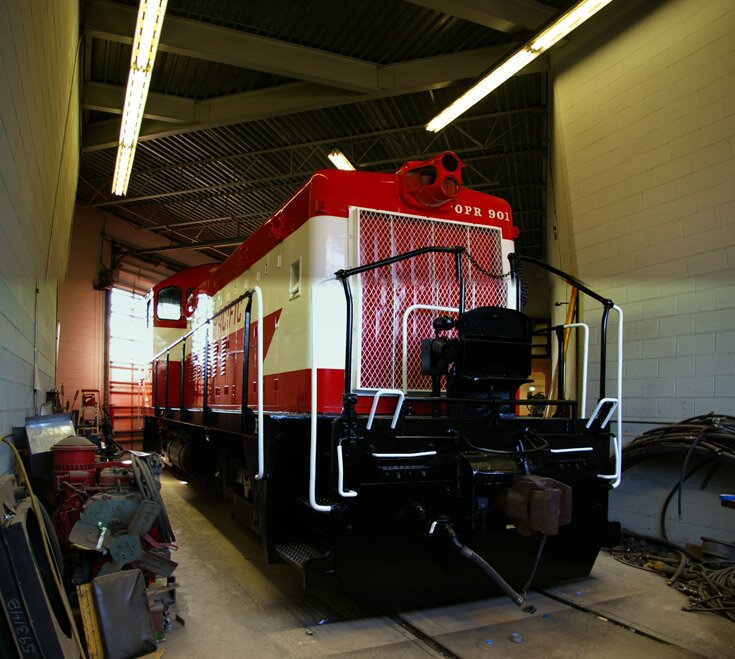
| OPR 901 in the shops. |

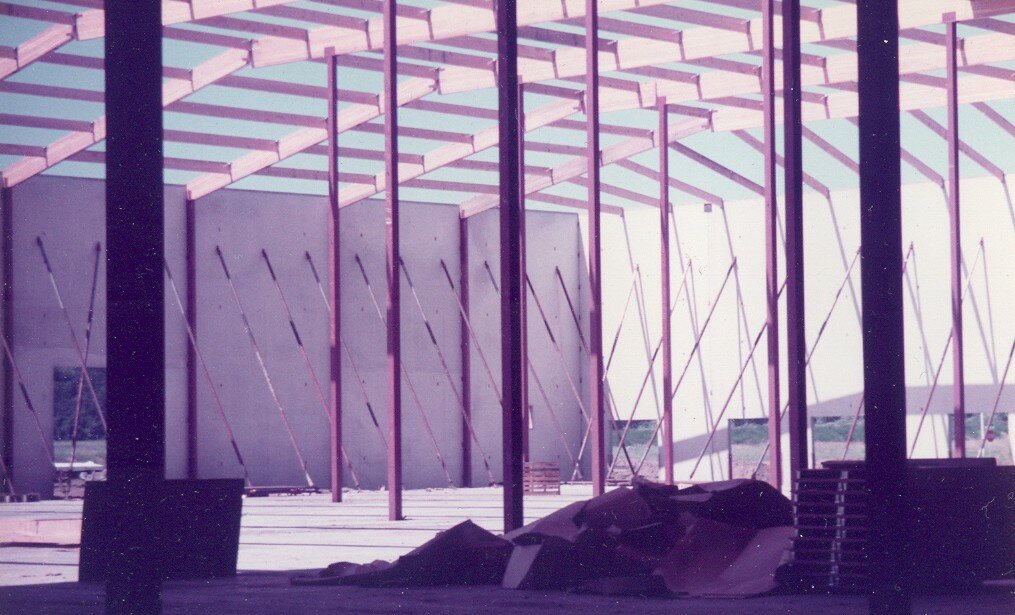
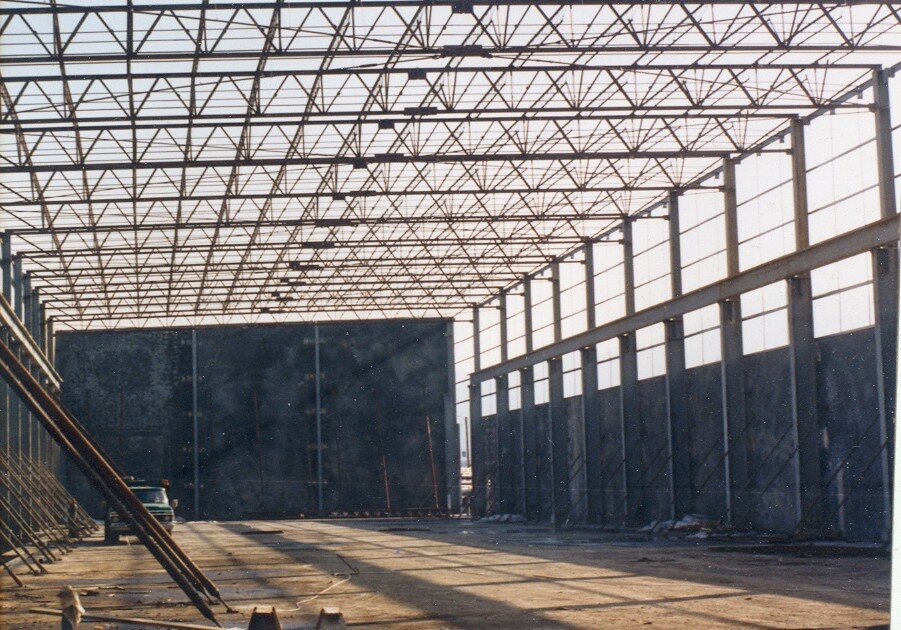
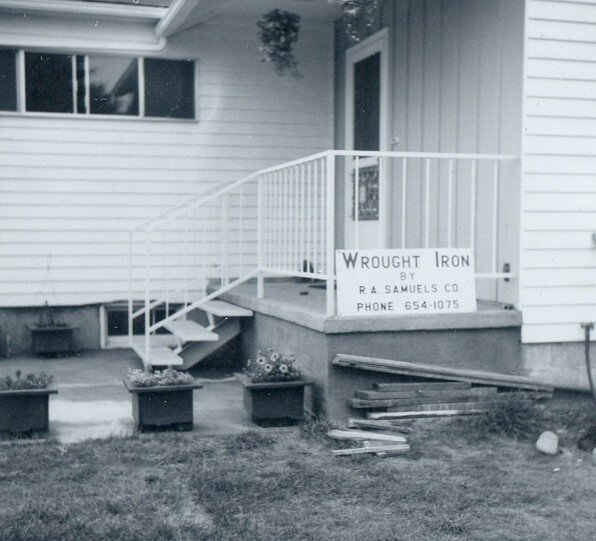
| Some early examples of the products that were produced at Mr. Samuels steel shop in the 1970s. |



| History of the OPR - East Portland Branch - Molalla Branch - Videos of the OPR in Action News & Upcoming Events - Photos of Past Events - Roster of the OPR Special Features |
| History of the OPR - East Portland Branch - Molalla Branch - Videos of the OPR in Action News & Upcoming Events - Photos of Past Events - Roster of the OPR Special Features |
| Copyright © 2004-2011 All Rights Reserved |
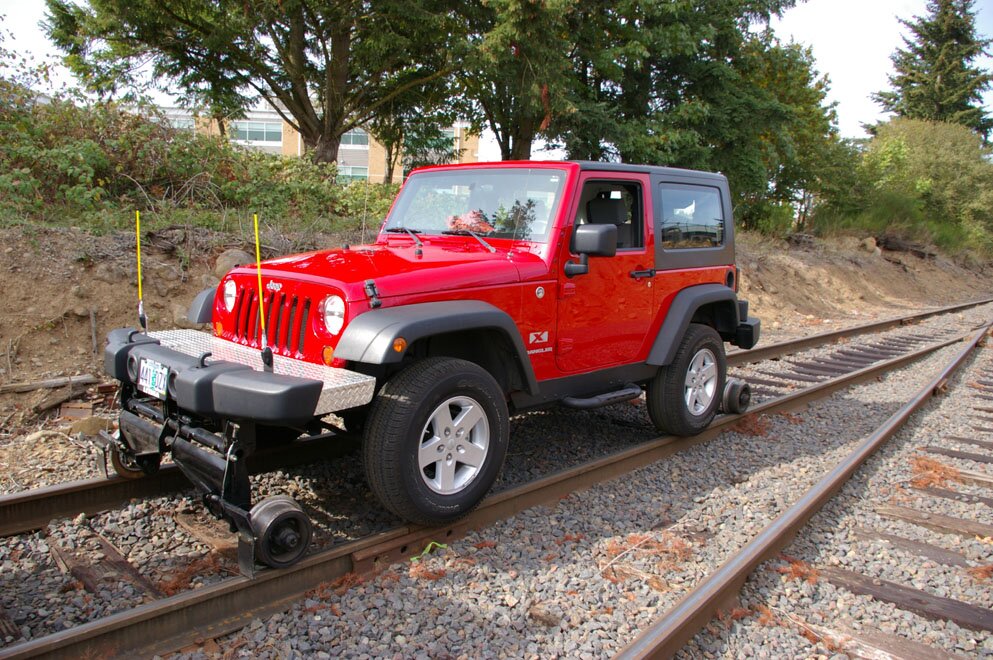
| While the OPR focuses equally on all of its customers, today, most freight business is generated on the Molalla Branch line, which now serves three mills and may eventually accommodate a business industrial park at some point in the future. The core of OPR public tourist operations, public events and the main shops remain on the East Portland Branch. Years 2008 through 2010 involved a number of changes to the OPR roster. By late 2007, the OPR had purchased another locomotive, ex-CRANDIC No. 91, SW900, now numbered OPR 901. The 901 was repainted and put into service on the Molalla Branch by early 2008. It currently serves as the American Steel Switcher and remains at the Steel plant behind a secure fence when not in use. In March of 2008, OPR 1810, a GP7u and a slug, No. 1010, were both repainted and sold as a unit to a railroad back east. Neither locomotive was in active service with the OPR as the GP7 did not fit well with the crews in switcher service. The sale of these locomotives helped with the purchase of the No. 901. In September, 2008, OPR 4501, a GE 45 tonner that originally saw service as the puller of the Samtrak trains, was sold off to the Port of Tillamook Railroad. Again, the 4501 had seen little to no use after Samtrak stopped operating due to its relatively lack of power. Mr. Samuels related a story while operating the 4501 for the last time prior to it being shipped off property. He said that when first purchased the ex-Portland Traction Company railroad, his intentions were to operate the railroad using two 45 tonner switch engines connected together. However, the purchase of ex-PTC No. 100 would change those plans as the 100 provided plenty of power to switch the railroad in the early days. 2009 would bring an addition to the caboose roster. Chris McLarney's restored UP caboose 25198 was welcomed to the OPR property. The caboose is entirely owned by Chris, but is included on the OPR roster as the caboose is available for public excursions and is often used in both public and private events on the OPR. It currently resides at the OPR shops. 2009 would also bring an addition to the MoW roster as a new and unique hy-railer was created out of a brand new Jeep Wrangler. |
| 2009 would mark a milestone with the OPR as the OPR officially began allowing feature film crews to operate and film on its railroad. Beginning with a film production called "Restless" directed by Gus Van Sant and produced by Ron Howard, a scene for the 2011 movie was filmed on the OPR's Molalla River bridge using an OPR train. In 2010, the TNT TV production series, "Leverage" filmed two scenes for that series, both using OPR trains. One at the Molalla River bridge and another multi-day production on the East Portland Branch near the Sellwood bridge. The OPR is one of the only railroads of any type in Oregon that still allows filming on its property and its expected that because of that, many more features will be filmed here in the future. |
| 2010 would bring about major changes to the OPR Roster. In February, the Dodge Dakota hy-railer that had served as the primary track inspection vehicle for the OPR was retired from railroad service. In April, 2010, former OPR 802, was returned to the OPR shops on the East Portland branch, from the Molalla Branch. The 802 was placed inside the OPR shops and disassembly was begun for what will be a full ground up restoration. The 802 will be restored to and renumbered to its original Southern Pacific configuration as No. 1127. By Summer of 2010, two OPR locomotives would be sold and a unique locomotive would be purchased. OPR 602 and OPR 803, both SW8s, were sold to Western Rail in part trade for an ex-Canadian Nation GMD-1, No. 1413. The 1413 is now the largest locomotive in the OPR fleet, overtaking the OPR 1202 in size, although having the same power rating. |
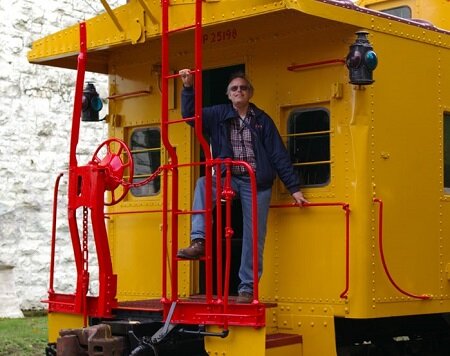
| Chris McLarney and his restored UP Caboose at Golf Junction. |
| OPR's newest hyrailer, a 2009 Jeep Wrangler on the Molalla Branch. |
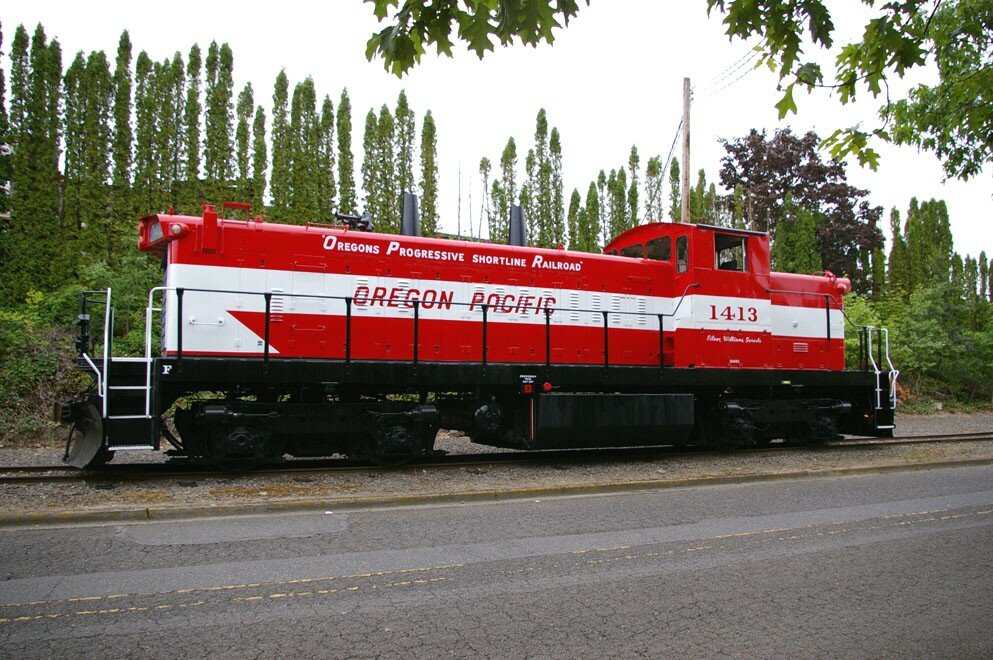
| OPR' 1413 just after receiving its new lettering at the OPR shops. |
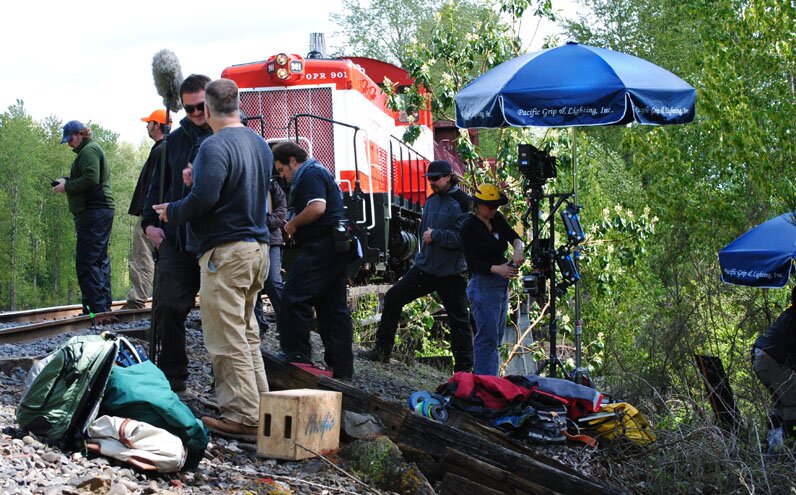
| Crews filming a scene for TNT's Leverage, on the Molalla River bridge. |

| HISTORY of the OREGON PACIFIC RAILROAD |